After 15 years of traveling and coaching mass participation sessions it would be fair to say that these don’t always hold quite as much enjoyment for me as they once did – sometimes it feels a bit been there, done that, bought the t-shirt.
However what I still find incredibly rewarding and the most fun part of the job is coach education.
Working with young leaders who are starting on their coaching journey is always a privilege no matter where this takes place but there is always something special when you find cricket in unexpected places.
The Beldangi refugees camp in Damak is shooting close to the top of that list.
Bhutanese refugees are in Nepal because they were expelled from Bhutan in the early 1990s due to new citizenship laws and political persecution. The Bhutanese government introduced a policy that stripped rights from the Nepali-speaking minority, referred to as Lhotshampas, and many were forced to flee to Nepal to escape harassment, eviction, and a loss of citizenship.
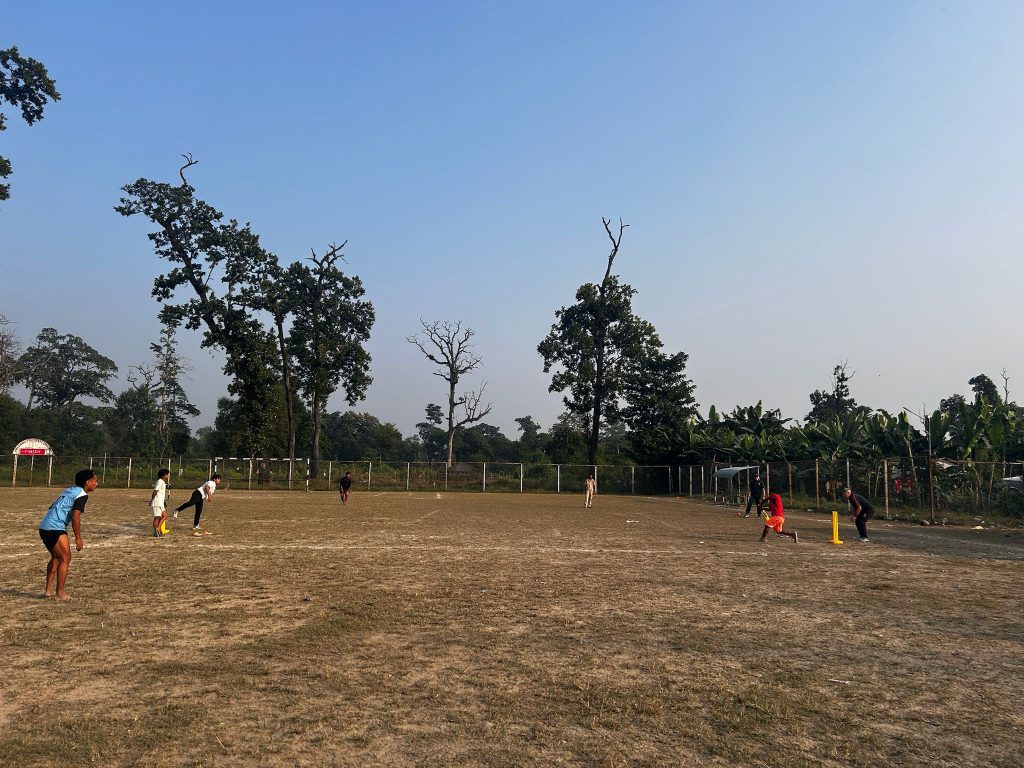
Today I had the pleasure of working with 12 of them on a dusty football field place in the heart of the camp. Half of this group had worked previously with CWB undertaking a 2 day face to face ICC Foundation course, while the rest were just more cricket people along for the ride.
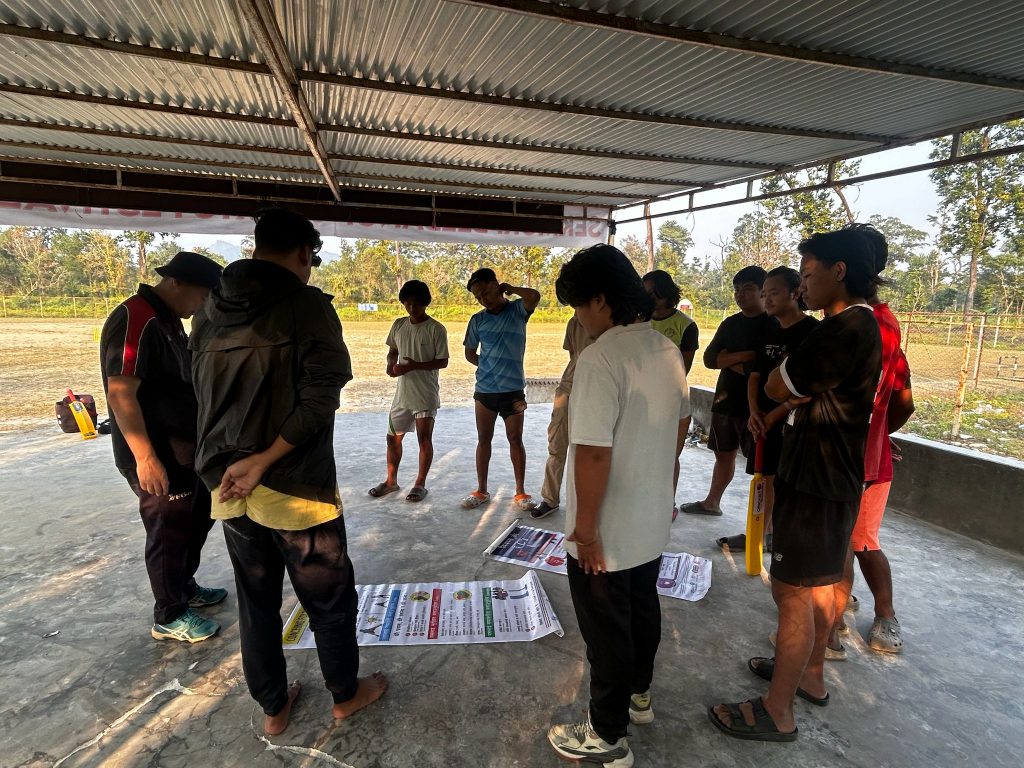
Over a little more than an hour and a half we refreshed knowledge about the key principles of Fun, Safe, and Inclusive coaching, talked about what good coaching looks like, and shared lots of games that apply those principles so these new coaches could reflect on what makes them great for introducing cricket and leave with a selection of activities ready to go.
It is not only the cricket that still fascinates me but the little interactions on the way. Chatting with a lady who happened to be walking in the same direction as us as we left the camp provided another moment I will never forget. After the usual name swaps and the where are you froms she wistfully stated we have so much time here, in the UK it is not the same. Often in the day to day I think a lot of us would wish for more time but not the kind that comes from living a refugees life in limbo with limited opportunities and no security of what the future might bring.
Lee Booth

Be First to Comment