This week marked an important milestone for girls’ cricket in Eastern Nepal, as thirty girls from across a cluster of palikas in Koshi Province – Rangeli, Damak, Dhalpaltan, Pathari, and Tarahara – came together for the launch of a new phase of the Cricket Changemakers programme during the Eastern Nepal Cricket Festival.
Using the Explore phase of the Cricket Changemakers programme, we used a sequence of games designed to uncover strengths, identify challenges, and map support systems.
You can read more about the Cricket Changemakers programme here – https://cricketchangemakers.com
The festival began with Super Strengths Cricket, where each girl sketched her personal and team strengths onto bats they then used in a game of Rapid Fire. Responses painted a picture of resilience, ambition, and sisterhood:
• “Hunger to win.”
• “When we get motivation from our parents we become strong.”
• “If we are friendly with our team then we are successful cricketers.”
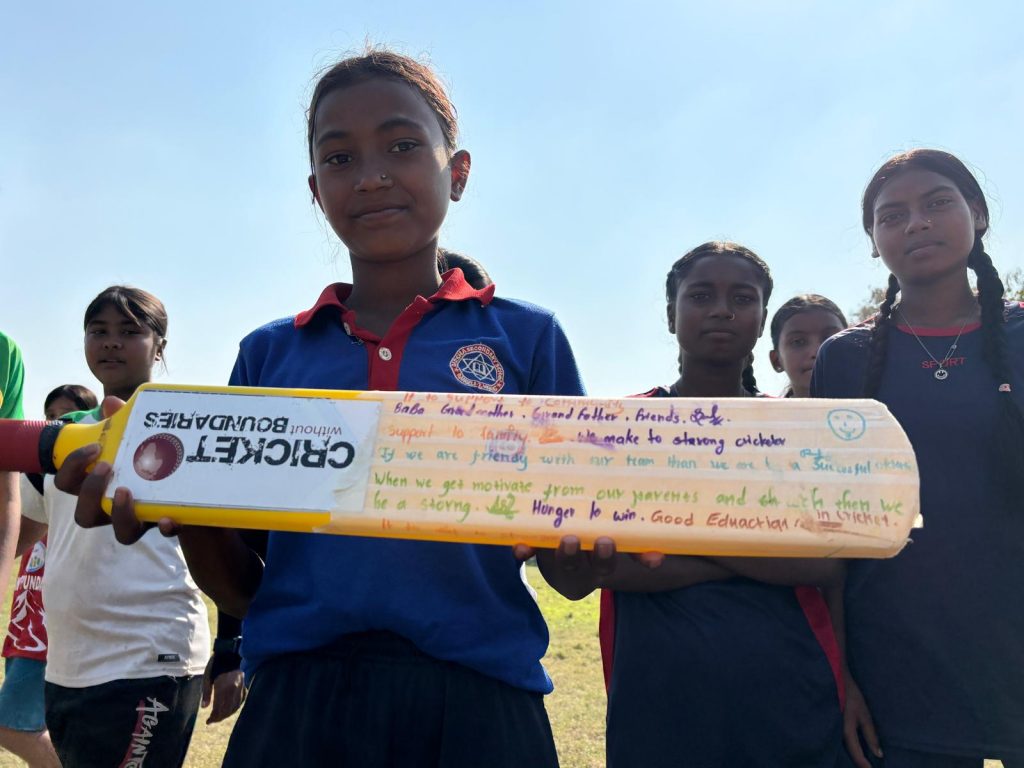
One unexpected theme also emerged, a testament to the marketing power of the Nepal Premier League: “Xtreme energy drink”, proudly offered by one group as a key strength.
Then, through the Challenge Busters throwing game the girls unpacked the barriers that continue to restrict their access to sport.
Their reflections were honest and direct:
• “When I play cricket, no one at school supports me, and it’s known as a boy’s game.”
• “Our school says that sports such as jersey football etc. are only for boys.”
• “Our school doesn’t allow girls to play cricket. But girls love to play. They say we can’t play cricket… but we know we can play better than boys.”
A big positive of the day was the unexpected but welcome involvement of the young refugee leaders who had participated in the Cricket Coaching Introduction the day before. Their presence was a wonderful reminder of how cricket builds bridges. Some supported teams during matches, others joined in the Changemaker games, and one enthusiastically snapped photos using a volunteer’s long-lens camera, capturing action, excitement, and friendships forming across communities.
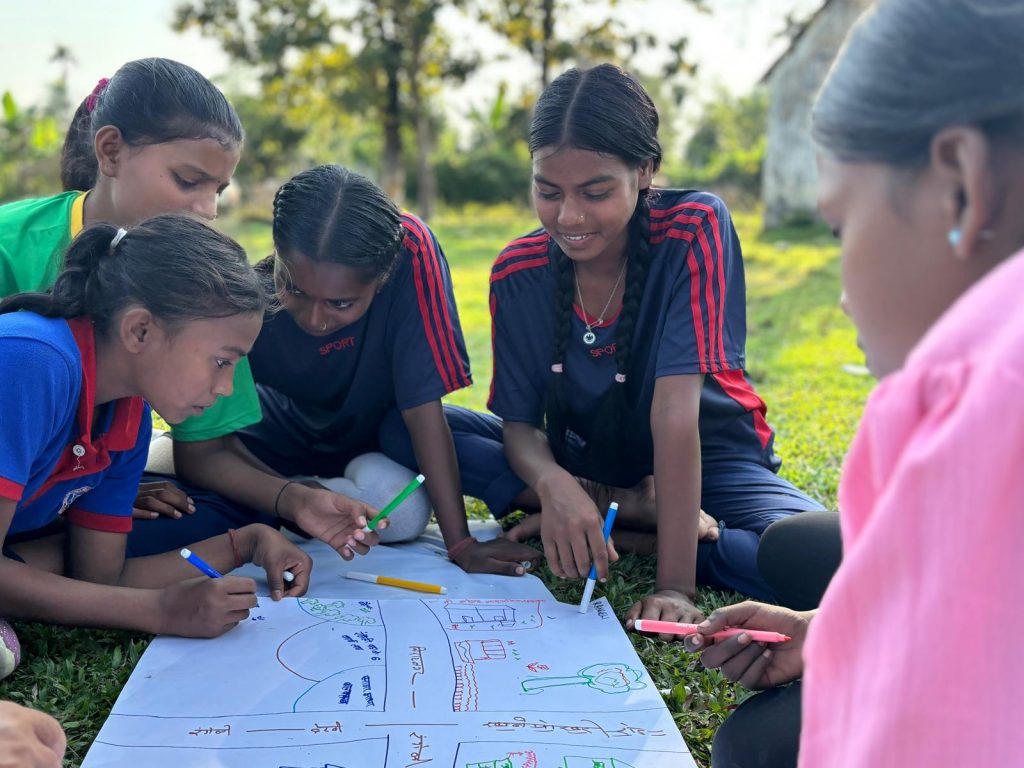
In the afternoon, the girls worked on asset maps, sketching out their neighbourhoods and marking:
• schools with supportive teachers
• NGOs and child clubs
• ward offices
• cricket grounds
• routes they walk
• spaces where challenges – like harassment or teasing – might occur
Maps were crowded with colour and detail. Girls pointed out leaders whose voices mattered in their communities, and places where small changes such as more encouragement, a girls’ team, or shared equipment, could unlock opportunity.
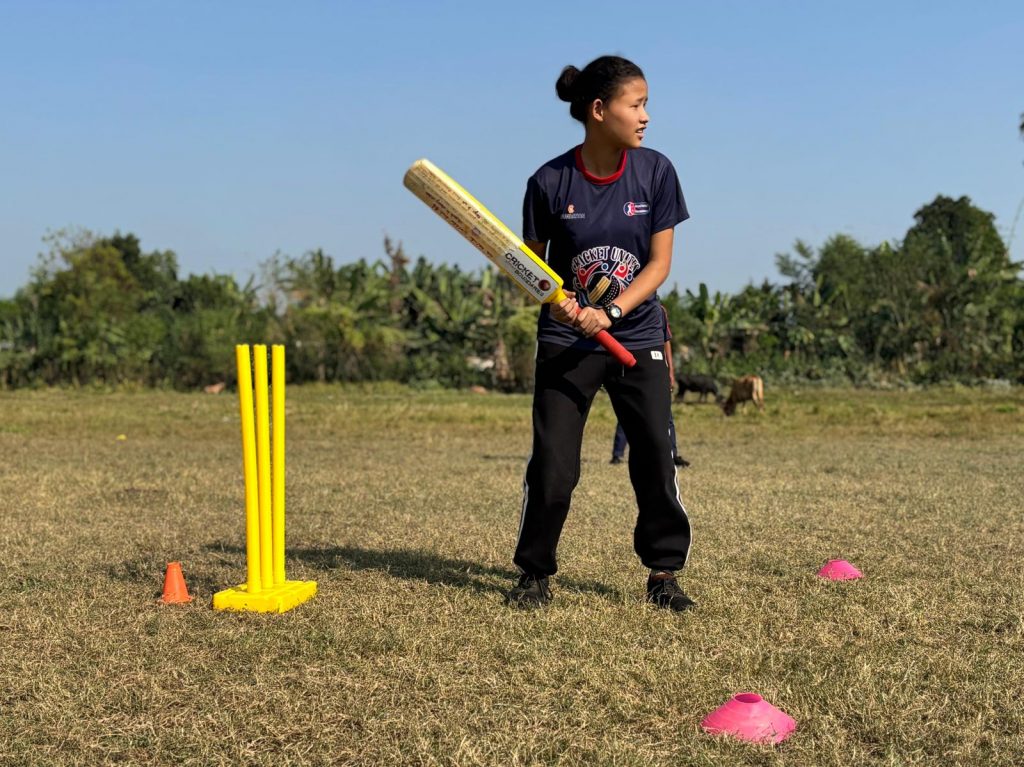
The day finished with festival matches, full of competitive spirit (particularly from our more experienced players!) and a growing sense of purpose. Teams left confident, motivated, and ready to take the next steps in the Changemakers journey.
With the Explore phase complete, the next days will move toward planning and action. The girls’ voices have been heard; now we support them as they begin to transform their communities through cricket.
Sara

Be First to Comment